Tuesday, November 13, 2012

Are you FireFit?

"The wildland fire service approach to taking care of people encompasses mind, body, and spirit." ~ Leading in the Wildland Fire Service

Fitness for Command
(Leading in the Wildland Fire Service,  pp. 61-62)

Our position as leaders requires us to take people into unpredictable situations where mediocre leaders can be quickly overwhelmed in a crisis and make dangerous errors in judgment.

We accept the responsibility to demonstrate fitness for command as leaders in the wildland fire service. Fire leaders prepare for command by learning the applicable technical and leadership skills, by gaining the requisite expereince, and by developing the physical, mental, and emotional capabilities through training, certification, and evaluation of behavior.

 What is FireFit?
 The Firefit program "is a comprehensive, easy-to-follow, non-mandatory fitness program specifically designed for wildland firefighters.

Who Developed FireFit?
The FireFit program was developed by Michelle Ryerson, Bequi Livingston, and the FireFit Task Group to promote optimal fitness and decrease the number of injuries each fire season.


You and FireFit
In the weeks ahead, we'll take a look into the FireFit program. Check out the following video:


Video Highlights (See the video for specifics)
  • How to be FireFit
    • Being FireFit starts with proper nutrition and a regular exercise routine.
    • Before you begin any fitness program, it is important to remember four things:
      • See a physician to obtain agency medical clearance and adhere to agency guidelines.
      • Establish goals and make the commitment.
      • Get educated.
      • Have appropriate attire and footwear.
  • FireFit Basis
    • Dynamic Warm-Up
      • Arm circles
      • Torso twists
      • Knee li
      • fts
      • Kangaroo hops
      • Skipping
    • Cardiovascular Endurance
      • Biking
      • Running
      • Pack hiking
      • Jump rope
    • Core Stability
      • Front plank
      • Oblique crunches
      • Classic crunches
      • Abdominal Bracing
      • Yoga 
        •  Bird-dog
        • Superman
    • Muscles Strength and Endurance
      • Pull-ups
      • Push-ups
      • Lunges
      • Tricep dips
      • Shrugs
      • Seated row
      • Dumbell front squat
      • Hamstring curls
    • Flexibility
      • Downward facing dog
      • Cobra
      • Arm stretching
      • Leg stretching
  • Modular Training Exercises
    • Pre-season Training
      • Be sure to allow your body plenty of rest and recovery time while building your strength and endurance.
      • Begin with 8 weeks of moderate cardiovascular exercise and moderate strength training. Gradually increase the intensity of your workout each week.
    • Fire-Season Fitness
      • Focus on maintaining your fitness levels during this time.
      • Exercise five days a week.
      • Resting is important for your body to recover and will prevent fatigue.
    • Post-Season Training
      • After fire season has ended, focus on letting your body recover from fire season and rehab from any injuries.
      • Participate in a variety of fun physical activities to keep your fitness level up and your stress level down.
        • Fun activities such as skiing and snowboarding are great high-intensity workouts that not only maintain muscle and core strength but also build mental fitness and teamwork.
  • Exercise Tips:
    • Breathe through your exercises
    • Include abdominal bracing with exercises to engage muscles and support the lower back.
    • Ensure for muscle balance by incorporating all core muscles equally.Always  make time for rest and relaxation.
    • Always stay hydrated.
    • Maintain a balanced diet year-round.
_________________________________
Thanks to the Wildland Fire Lessons Learned Center and the FireFit Task Group under Risk Management Committee (formerly the Safety and Health Working Team) for this contribution. 


Friday, November 9, 2012

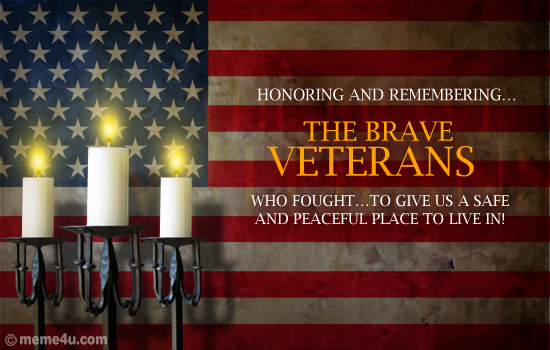
Honoring and Remembering Our Veterans

"To us in America, the reflections of Armistice Day will be filled with solemn pride in the heroism of those who died in the country’s service and with gratitude for the victory, both because of the thing from which it has freed us and because of the opportunity it has given America to show her sympathy with peace and justice in the councils of the nations…" ~ November 11, 1919 proclamation by President Woodrow Wilson


The Wildland Fire Leadership Development Program thanks our veterans for their service and sacrifice.

See the Veteran's Administration's website for complete information on the history of Veteran's Day.


"An Outlaw and a Hero" - Ben Jacobs


In this video, Brian Lawatch interviews Ben Jacobs, Fuels Management Specialist for Sequoia and Kings Canyon National Park, about wildland fire mentoring and career development.


Video Highlights:
  • What resources would you recommend to someone pursuing a wildland fire career?
  • What advice do you have for employees taking on a new position or increased responsibilities?
    • Slow down. "Get good at what you do before you move up."
    • Learn from the people that were there before.
    • Gather data and get to know the organization before you make changes.
  • What is the best career advice that you have received?
    • "You don't need to respect the person, but you do need to respect the position."
  • Why would you recommend a career in wildland fire to someone?
    • You must love the outdoors.
    • It is a rewarding career.
    • Outlet for those with a lot of energy and want to make a difference.
_________________________

Thanks to the Wildland Fire Lessons Learned Center for this contribution.


Wednesday, November 7, 2012

Is Your Vision a View or Purpose?

In this YouTube video, Jesse Lyn Stoner shares her thoughts on the power of vision and how vision is more than a "powerful picture." Leaders present clear purpose that is commonly embraced by their subordinates.


Wildland fire leaders must have a clear vision that is expressed through "leader's intent." Check out what Leading in the Wildland Fire has to say about the topic:

Leader’s Intent
Incidents inevitably create conditions in which it is impossible to project centralized command and control over all actions and events. In fast-moving, dynamic situations, top-level decision makers cannot always incorporate new information into a formal planning process and redirect people to action within a reasonable timeframe.

We provide leader’s intent so people closest to the scene of action can adapt plans and exercise initiative to accomplish the objective when unanticipated opportunities arise or when the original plan no longer suffices.

Leader’s intent is a crucial element of effective operations because it reduces internal friction and empowers subordinates—even when chaotic conditions prevent the chain of command from communicating effectively.

Leader’s intent is a clear, concise statement about what our people must do to succeed in their assignments. It delineates three essential components:

  • Task—what is the objective or goal of the assignment.
  • Purpose—why the assignment needs to be done.
  • End state—how the situation should look when the assignment is successfully completed.
At the incident level, the end state places the values at risk within the context of the standing incident priorities: (1) life, (2) property, (3) natural resources, and (4) management goals and concerns for the area affected.

Within the framework of the defined end state, leaders can develop plans that include incident objectives, priorities, strategies, trigger points, and contingency plans.


Monday, November 5, 2012

Fall 2012 - "Two More Chains"


The Wildland Fire Lessons Learned Center (LLC) released their fall edition of "Two More Chains."

Features for the theme Wheels, Wings and Rotors include:

  • Getting There and Getting Back: It's Our Most Dangerous Activity - How Come?
    • Paul Keller reflects upon recent accidents that took the lives of firefighters.
  •  Truths: Own Your Strategy
    • Travis Dotson looks at shared responsibilities when mishaps occur.
  • Rapid Lesson Sharing (RLS)
    • Showcases the LLC's newest method firefighters can use to share with the wildland fire community lessons they have learned.
  • Shop Talk: Rock in the Duals
    • Brian Hicks presents a tutorial/video on the proper procedure to remove a rock in the duals.
  • One of Our Own: A Firsthand Account on the Dangers of Driving
    • Travis Dotson takes readers behind the scenes of the Engine 713 accident.
  • Your Feedback: How We Think 
    • Larry Sutton responds to the summer issue regarding the statement "forced to implement entrapment avoidance procedures."

Friday, November 2, 2012

Lincoln & "Team of Rivals"

If you are an avid supporter of our Professional Reading Program, you very well may have taken, or are taking, part in the latest leadership challenge to read Doris Kearns Goodwin's book "Team of Rivals." Goodwin shares her many years of research of one of America's greatest presidents, Abraham Lincoln.

As part of a Leadership in Cinema challenge, participants are encouraged to watch Steven Spielberg's adaptation of the book "Lincoln" which premiers in mid-November. Check out the movie's trailer:


Complete information regarding the "Team of Rivals" leadership challenge can be found in the Professional Reading Program Library on the Wildland Fire Leadership Development Program website. A "Team of Rivals" discussion group has been set up on in MyFireCommunity to link readers from across the nation and to support local groups.

Additional Leadership Challenge
If you have read the book, the Sparks for PRP Change need your help in developing discussion questions for Chapters 20 - 26 "Team of Rivals." Contact Pam McDonald if you can help.

Wednesday, October 31, 2012

The American Red Cross Launches "Wildfire" App

(Photo credit: The American Red Cross)

The American Red Cross launched their "Wildfire" mobile application this week. Consider sharing this application with members of your community during your pre-season meetings.

Application Features
  • Step-by-step instructions let you know what to do before/during/after an wildfire, even without data connectivity. 
  • Get notified about current wildfires or wildfire-conducive weather. 
  • Let family and friends know you are okay with the customizable “I’m Safe” alert for Facebook, Twitter, email and text. 
  • Find open Red Cross shelters in your area when you need help. 
  • Stay safe when the lights are out with the Toolkit, including a strobe light, flashlight and audible alert functions. 
  • Prepare for the worst by learning how to assemble an emergency kit for your family in the event of power outage or evacuation. 
  • Empower your family to stay safe and remain calm in an emergency by learning how to make and practice an emergency plan. 
  • Earn badges that you can share with your friends and show off your wildfire knowledge with interactive quizzes. 
  • See an illustrated history of wildfires in your area.

Friday, October 26, 2012

TriData Study: Looking to the Future


To conclude our four-part Wildland Fire Lessons Learned Center series on the Wildland Fire Safety Awareness study, we focus on where we go in the future.


Here are suggestions our fire leaders say we should do now:
  • Run the survey again. (Take the survey for yourself.)
  • Go back and look at the recommendations to see what we have done and set priorities for those not done or should be eliminated. (Browles & Livingston)
  • Change the way firefighters are paid. (DeGrosky)
  • Keep TriData in the forefront through items like the refresher. (Livingston)
  • Prepare your workforce. (Cook)
Wildland Firefighter Safety Awareness Study
  • Phase I - Identifying the Organizational Culture, Leadership, Human Factors, and Other Issues Impacting Firefighter Safety (October 1996)
  • Phase II - Setting New Goals for the Organizational Culture, Leadership, Human Factors, and Other Areas Impacting Firefighter Safety (February 1997)
  • Phase III - Implementing Cultural Changes for Safety (1998)

Wednesday, October 24, 2012

Focusing on TriData Study: Continuing Challenges


So how have we done? In part 3 of the Wildland Fire Lessons Learned Centers series on the Wildland Fire Safety Awareness study, we look at the challenges we have had addressing the 86 goals and implementing the 200 recommendations from the study.


Here are some of the challenges identified by our fire leaders:
  • We continue to have bad things happen. (Bequi Livingston)
  • Safety doesn't stop once you go home from a fire. (Paul Browles)
  • The physical fire environment has changed dramatically over the last 15 years. (Mike DeGrosky)
  • Climate change and fuels are affecting operations. (Chad Fisher and David Aldrich)
  • Decline in "militia" (non-fire personnel) involvement in the fire program. (John Glenn)
  • Proliferation of fire in the wildland urban interface.
  • Workforce retention has declined. (Cook, DeGrosky, Mark Boche)
  • A centralized focus on the TriData study has waned. 
  • Driving safety was not recognized in the study. (Sutton)
  • SmartCards were never acted upon. (DeGrosky)
  • Changes are needed with our review and investigation processes. (DeGrosky and Aldrich)
Wildland Firefighter Safety Awareness Study
  • Phase I - Identifying the Organizational Culture, Leadership, Human Factors, and Other Issues Impacting Firefighter Safety (October 1996)
  • Phase II - Setting New Goals for the Organizational Culture, Leadership, Human Factors, and Other Areas Impacting Firefighter Safety (February 1997)
  • Phase III - Implementing Cultural Changes for Safety (1998)

Monday, October 22, 2012

TriData Study: Successes


We are a learning organization that looks back at our "roots." In part 2 of the Wildland Fire Lessons Learned Centers series on the Wildland Fire Safety Awareness study, we look at the successes we have accomplished related to the study.


Here are some of the successes identified by our fire leaders:
  • Firefighter asked for their input regarding safety. (Sutton)
  • Creation of the Wildland Fire Leadership Development Program. (DeGrosky, Cook, Sutton, Livingston, Fisher)
    • Cultural change
    • Awareness on human factors and how that affects behavior on the fire ground.
    • Focus on decision-making
    • Creation of experiential learning tools.
  • Better understanding of the science of fighting fire. (DeGrosky)
  • Creation of the Wildland Fire Lessons Learned Center with a focus on high reliability organizing. (Browles, DeGrosky, Livingston, Aldrich, Glenn)
  • Right of refusal to turn down assignments. (Browles & Livingston)
  • On the job training. (Livingston, Fisher)
Wildland Firefighter Safety Awareness Study
  • Phase I - Identifying the Organizational Culture, Leadership, Human Factors, and Other Issues Impacting Firefighter Safety (October 1996)
  • Phase II - Setting New Goals for the Organizational Culture, Leadership, Human Factors, and Other Areas Impacting Firefighter Safety (February 1997)
  • Phase III - Implementing Cultural Changes for Safety (1998)