A forum where students of fire and leadership come together to discuss, debate and exchange leadership development concepts, experience, and thoughts with an intent to promote cultural change in the workforce and strengthen the wildland fire service and the communities they serve.
The goal of many leaders is to get people to think more highly of the leaders. The goal of a great leaders is to help people think more highly of themselves. – J. Carla Nortcutt
IGNITE the Spark for Leadership. LIKE and SHARE throughout your networks. #fireleadership #fireminis
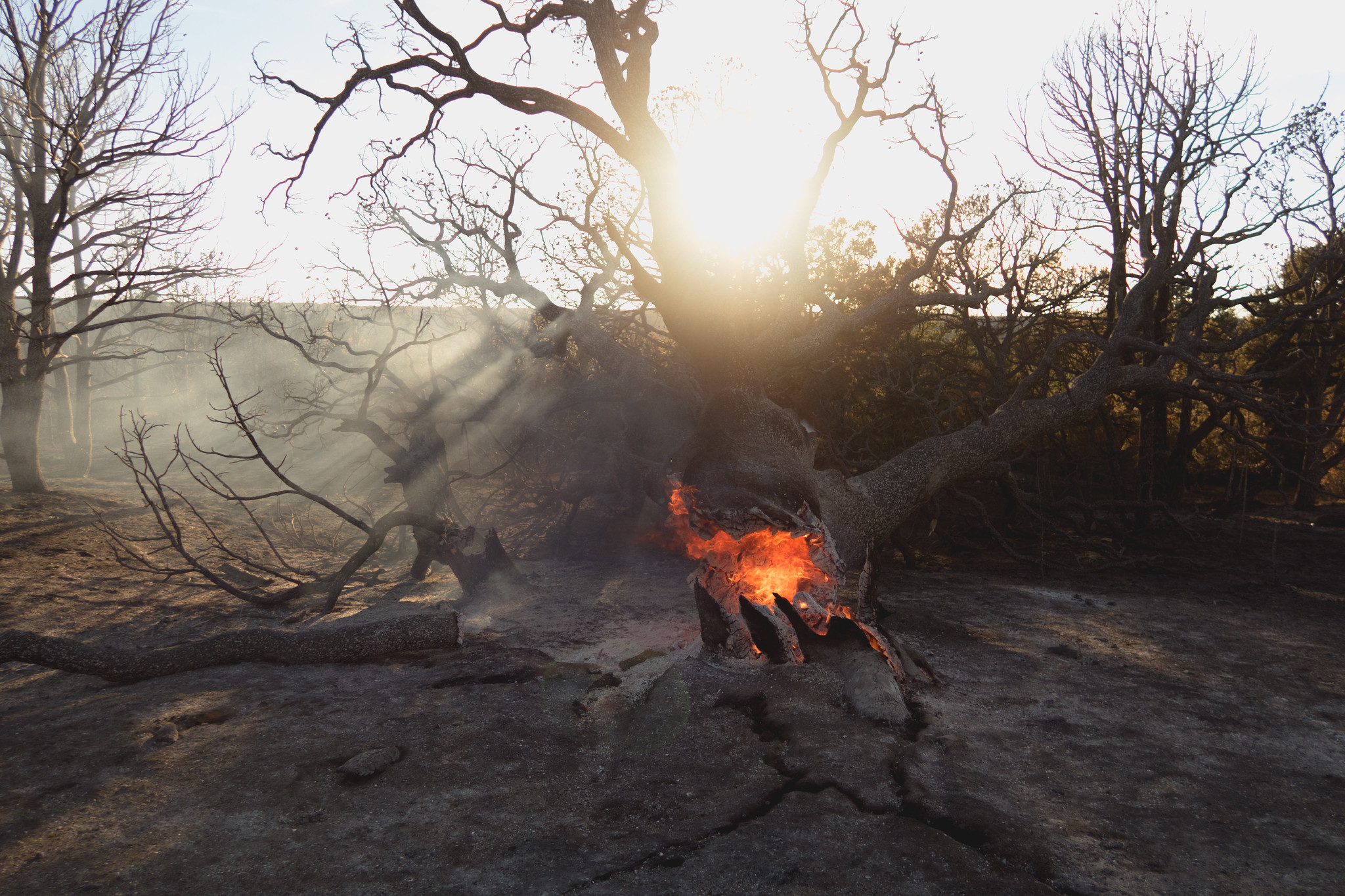
[Photo credit: Kari Greer/USFS, Pioneer fire (2016)]
When asked why they do what they do, wildland firefighters respond with variety of responses. Common answers include:
I love what I do.
I get to see beautiful country.
I do it for the money.
Firefighting is in my blood.
Defining why we do what we do comes easy for some and a mystery to others. Passion may not reside with employment. Passion may not be something you seek. In fact, purpose and passion are two different things as seen in the quote below.
Purpose is the reason you journey. Passion is the fire that lights your way. ~ Author Unknown
Wildland Fire Leadership Challenge - Digging a Little Deeper
We challenge you to watch the following presentations, and then compare and contrast the messages.
On November 1, 1966, the El Cariso Hotshots, a U.S. Forest Service Interregional Wildland Firefighting Crew, was trapped by flames as they worked on a steep hillside in Pacoima Canyon on the Angeles National Forest.
The crew was constructing fireline downhill into a chimney canyon and were within 200 feet of completing their assignment when a sudden shift of winds caused a spot fire directly below where they were working. Within seconds flames raced uphill, engulfing the firefighters in temperatures estimated to reach 2500 degrees F. The fire flashed through the 2,200 foot long chimney canyon in less than one minute, catching the crew while they attempted to reach their safety zones.
(Photo Credit: Herald Examiner)
Ten members of the crew perished on the Loop Fire that day. Another two members succumbed from burn injuries in the following days. Most of the nineteen members who survived were critically burned and remained hospitalized for some time.
Much of the knowledge gained about wildland fire has come through the high cost of firefighter lives. Lessons learned from the Loop Fire resulted in improved firefighting equipment, better fire behavior training, and the implementation of new firefighter safety protocols.
(Note: The Loop fire ends at 11:41)
(Interviews with Gordon King and Chuck Hartley)
We Will Never Forget
We will never forget the 12 firefighters who lost their lives in the line of duty on November 1, 1966.
A coworker recently shared a podcast with me that sparked
some interesting thoughts. The podcast
was titled “The New Norm,” and was an episode of the NPR “Invisibilia” series.
(link to the written story here and the full podcast here)
As I listened to it, I was skeptical of how it might apply
to wildland fire organizations and operations. After all, smiling Russians and
teary-eyed oil rig workers aren’t normally associated with fire leadership. But
then I heard something that stopped my thought process dead in its tracks: by
going through an admittedly rough and unpopular process, the group of oil
workers reduced their accident rate by 85%.
All of the “fluff” aside, that’s remarkable, and sparked my interest.